

The Mental Health Association provides compassionate and dignified treatment for society’s most vulnerable citizens,
helping them along the paths to wellness and recovery.
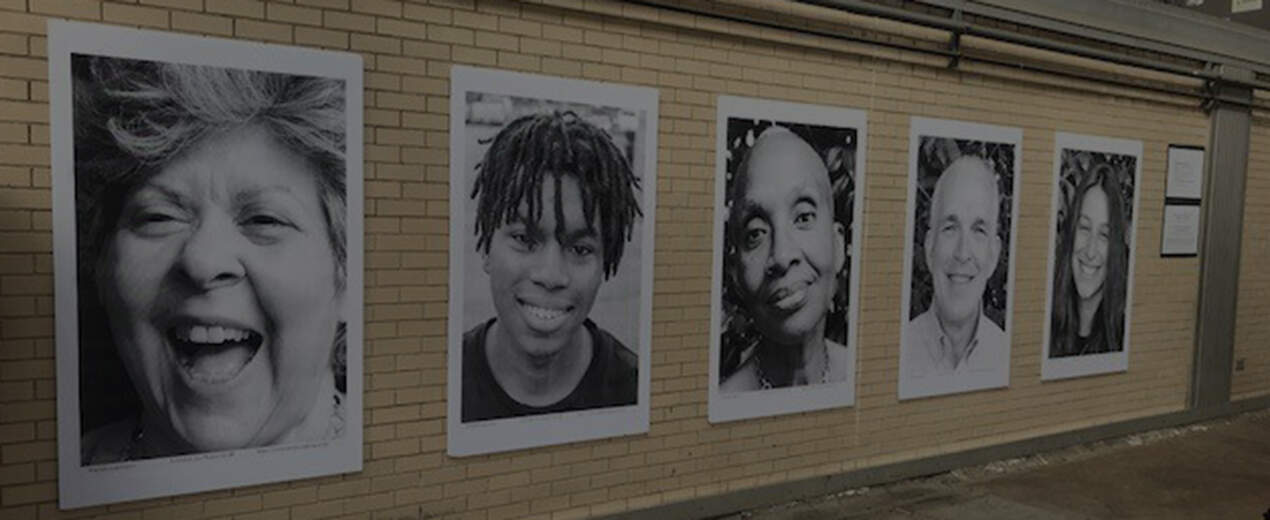
As part of its mandate to help New Jersey's most vulnerable citizens, MHAEM turned to BCS Impact to develop a teen suicide prevention campaign to reach teens and their families, providing resources and a place to turn.
New Jersey has faced an alarming amount of teen suicides. With the onset of COVID-19, vulnerable teens faced even more pressure. We were tasked with building an awareness campaign that would reach and empower young people and their families. Here’s how we did it:

To develop messaging that would resonate – and not isolate – vulnerable teens, we first had to come to the project with an open mind, free of any preconceived notions.

Working with MHAEM’s Board and Director of Teen Suicide Prevention, we gathered expert insight as to the concepts, phrases and approaches that might reach kids in need.

Speaking with kids who thought about – or actually attempted – taking their own lives hammered home what to say, and importantly what not to say – to spur vulnerable teens to reach for help.
The hub of the campaign was two minisites, created to address two specific audiences: teens in need and their families, teachers and friends.

Seeing that others have faced pressures—and somehow found their way back—helps teens understand that they indeed are not alone. We documented as teaching moments the stories of survivors, and of families and friends who’ve lost loved ones to suicide.
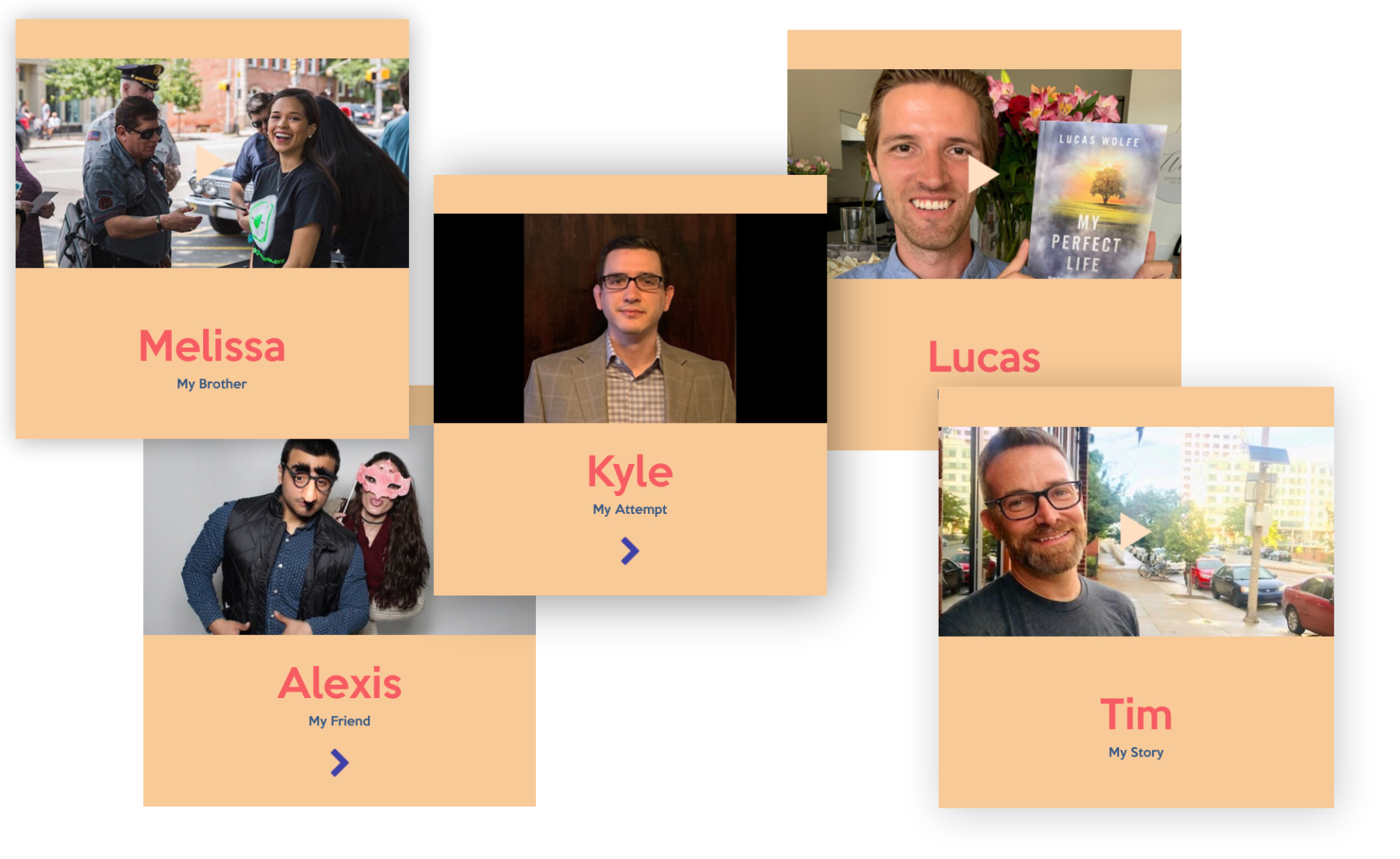
When a teen is in crisis, reaching out for help can be the hardest part. By highlighting common warning signs and sharing scripts for what to say (and not to say) to someone struggling, we prompted family, friends and teachers to stay attuned and get involved.

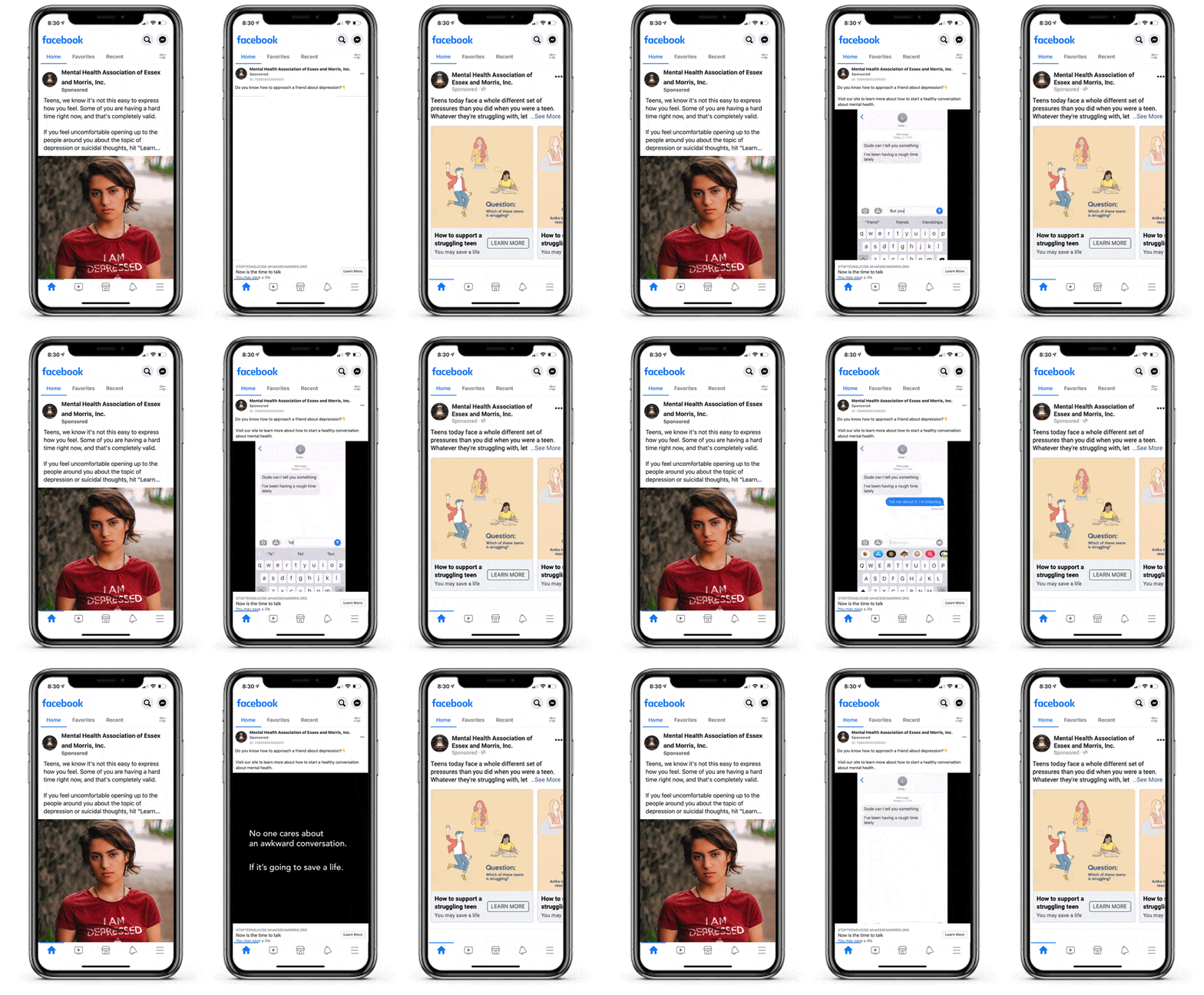
Through a comprehensive paid ad campaign across Instagram and Facebook, we tailored messaging to reach different audiences and crafted communication through carousel, video, and static imagery in ways that resonate. Clicking through ads, users arrive at a landing page with immediate resources, including mental health professionals.
Drop us a line. We'll discuss your goals and start you on the path to building the influence and infrastructure your mission deserves.