

A Century of Bringing Families and Schools Together

Parents League of New York has a storied history of providing top-notch educational advisory services and parenting resources to families throughout the New York area. But the digital age brought about new challenges for their model, and BCS Impact was tasked with helping Parents League transform their outreach to meet parents in a whole new arena.
As the private education landscape became more competitive and family research habits shifted online, Parents League recognized that its analog model needed to evolve. Rather than attempt to broaden interest in private education, the focus was on reaching and engaging families who already valued personalized, consultative support.
The most direct and efficient way to meet these goals was through a focused, data-driven social media advertising campaign crafted to reach families actively seeking this kind of support.
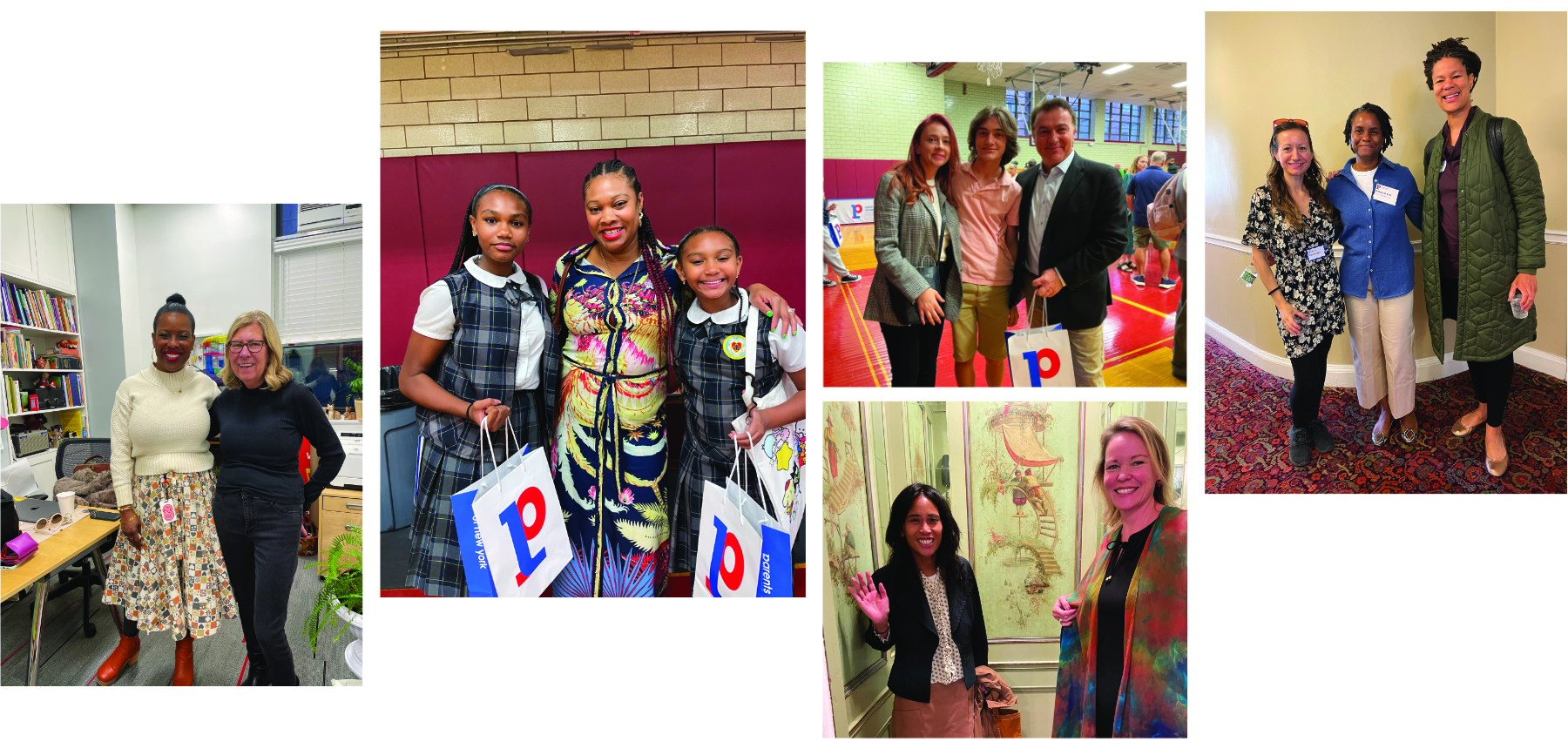
We designed the campaign around three objectives: increasing monthly membership for Parents League's consulting services, driving attendance at its education fairs (a key pathway to membership), and strengthening overall awareness of the organization and its services.
The key to a successful campaign of this nature was clearly defining who an “ideal” Parents League member is. That clarity allowed messaging, targeting, and media spend to work in concert—ensuring the campaign reached the families most likely to engage, rather than casting too wide a net.
While no audience profile is ever exact, we knew we could get close by grounding our assumptions in real data. To establish a reliable baseline, we focused on three inputs:

Working closely with Parents League, we modeled the shared characteristics of its ideal members to establish a clear baseline audience for the campaign. This included factors such as parent and child age, geography, income range, and educational interests, informed by historical membership and engagement data. These insights helped define the initial target audiences and shape early messaging decisions.

To add context to the data, we spoke with a cross-section of people connected to Parents League, including board members, advisors, families, members, and volunteers. These conversations helped us better understand motivations, questions, and needs that would shape both targeting and messaging.

We reviewed existing performance data, including website analytics and social engagement metrics, to understand how families were already discovering and interacting with Parents League. These insights helped validate our audience assumptions and inform the direction of the campaign.
The centerpiece of the campaign was a dedicated landing page designed to stand on its own—guiding families from first click to next step. Designed to align directly with the ads that brought visitors there, the landing page told the story of Parents League and its offerings, articulated the value of membership, and prompted action without requiring additional navigation or context.
With a clear audience and conversion path in place, the focus shifted to messaging and visuals. Drawing from discovery, we focused on a small set of core needs—then tested how different combinations of language and imagery performed across platforms.
We explored different combinations of messaging and creative. Performance data helped reveal not only what resonated, but how families preferred to engage with the Parents League story.
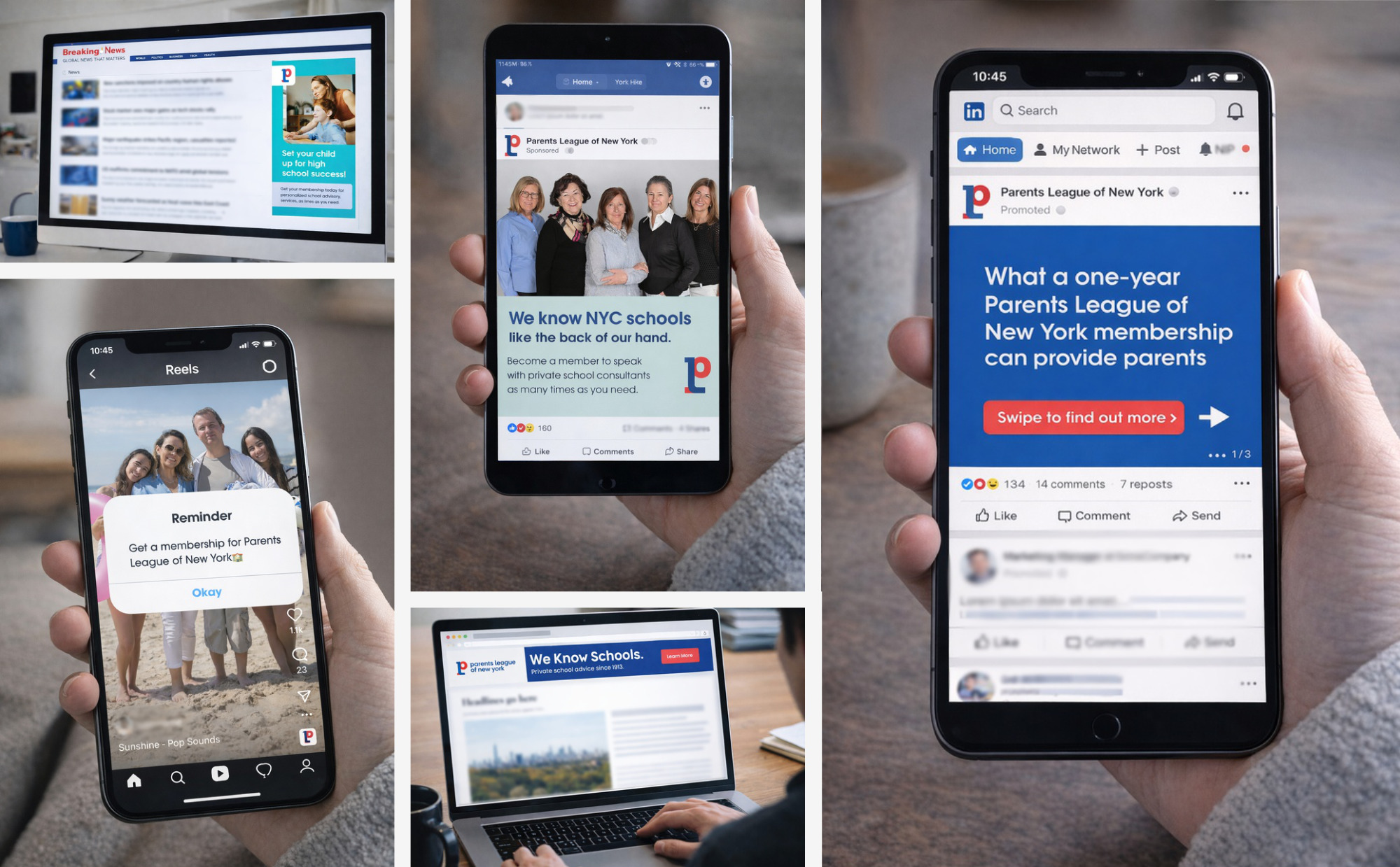

They understand our mission and drive steady, solid traffic to the areas that are core to our membership.